 Identifood


Our founder Ashleigh has eaten her way through over 40 countries, and Japanese food rewards a closer look. Vegetarian food in Japan has one big hurdle, and it isn't meat you can see. It's dashi, a stock made with bonito fish, which seasons broths, dipping sauces and batters, and bonito flakes that go on top.
A guide can't see the kitchen. This is what these dishes usually contain. Always ask, and carry your medicine.
Vegetarian Food in Japan That Usually Fits
Of the 10 Japanese dishes we cover, one usually fits, five depend on the kitchen and four usually don't. Mochi leads, and two of the ask dishes fill out the three.
Pounded rice cake with sweet bean paste
2SushiCucumber, egg and pickle rolls exist
3TempuraVegetable pieces exist; ask about the sauce
Mochi, a Japanese Sweet for Any Time
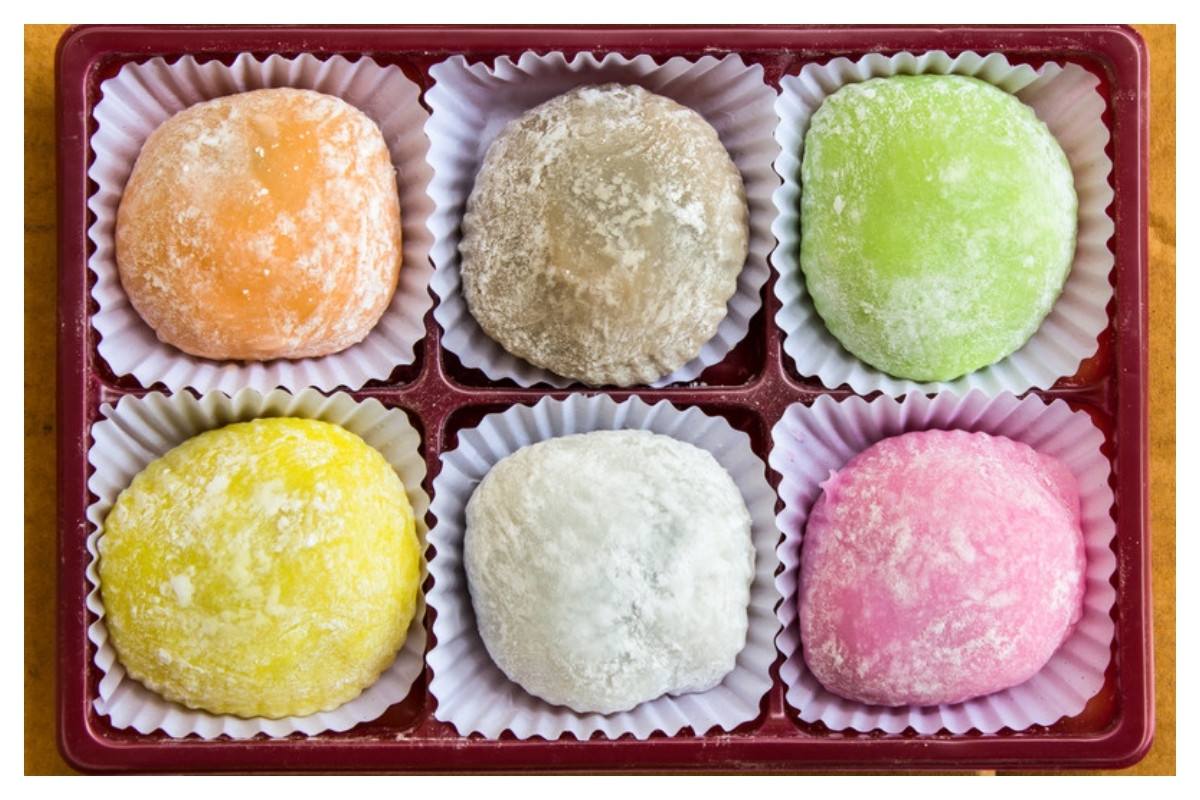
Steamed sticky rice is pounded into a smooth dough and shaped by hand, often around sweet red bean paste or dusted with roasted soybean flour. It's eaten in small bites, often with green tea, and it's essential at New Year. Look for daifuku (filled), dango on skewers or mochi ice cream. Quick tip: cut it small and chew well; it's very sticky.
Vegetarian Food in Japan Depends on the Kitchen
Five favorites can work with the right question, and fish stock in a broth, a sauce or a batter is usually the reason to ask.
Sushi Beyond the Fish
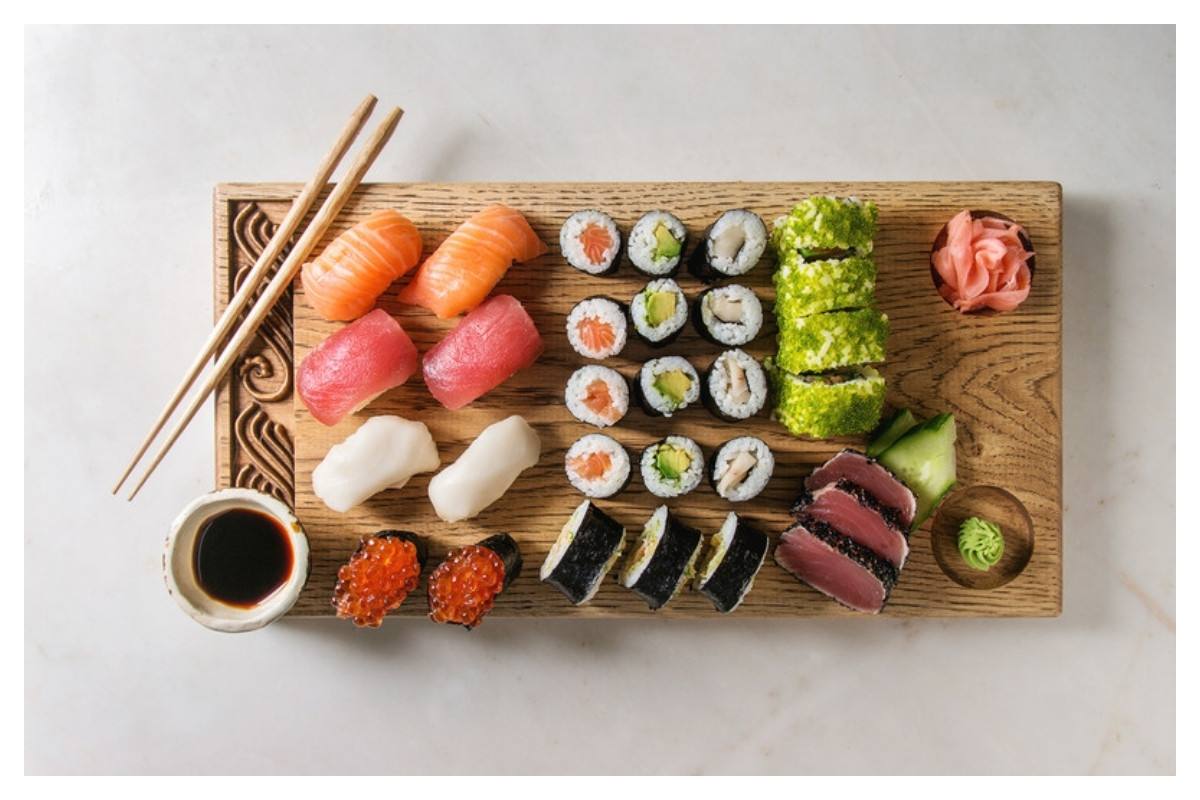
Most sushi is fish or seafood on vinegared rice, but cucumber, egg and pickle rolls exist. Conveyor-belt sushi is a cheap lunch, and counter sushi a special dinner. Ask about tamago, the sweet omelet, which is sometimes made with fish stock.
Japanese Tempura and Its Dipping Sauce
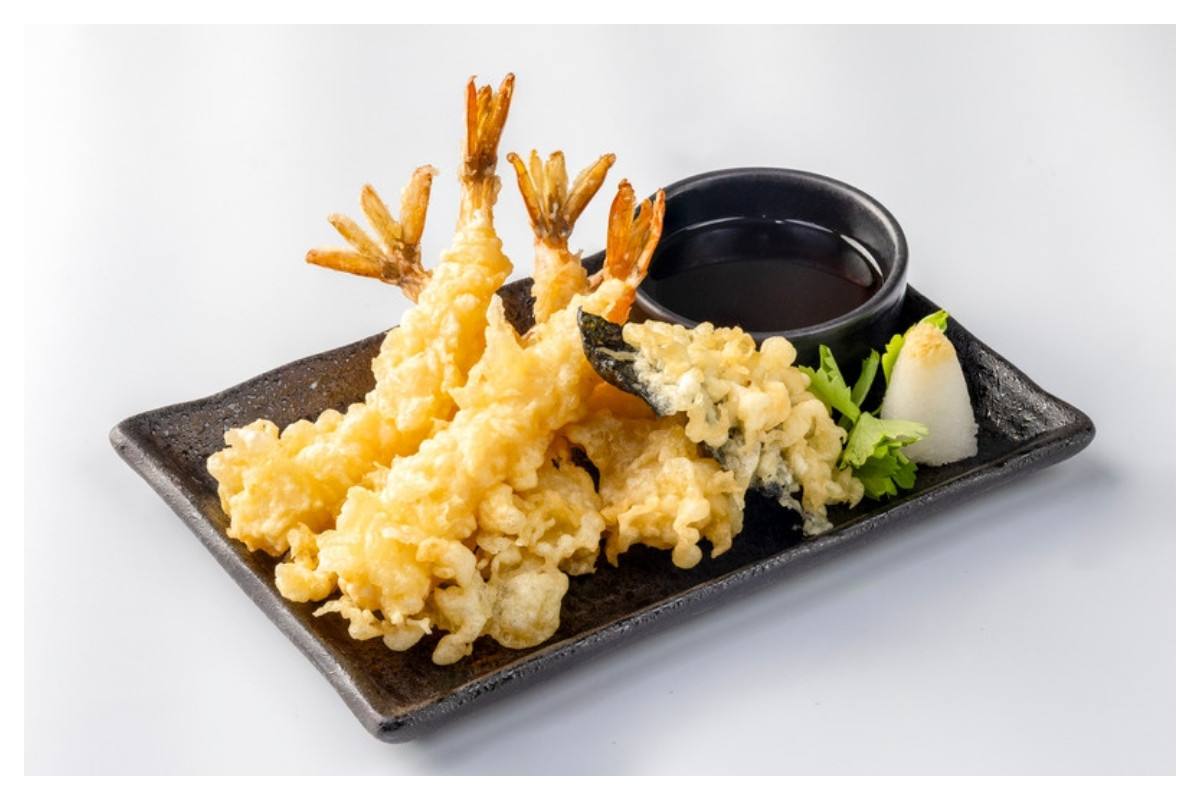
Vegetable tempura exists, but the tentsuyu dipping sauce is made with fish stock, and vegetables fry in the same oil as shrimp. Ask for salt instead of the sauce. At a counter the chef fries piece by piece, so eat each one hot.
Zaru Soba and Udon Noodles
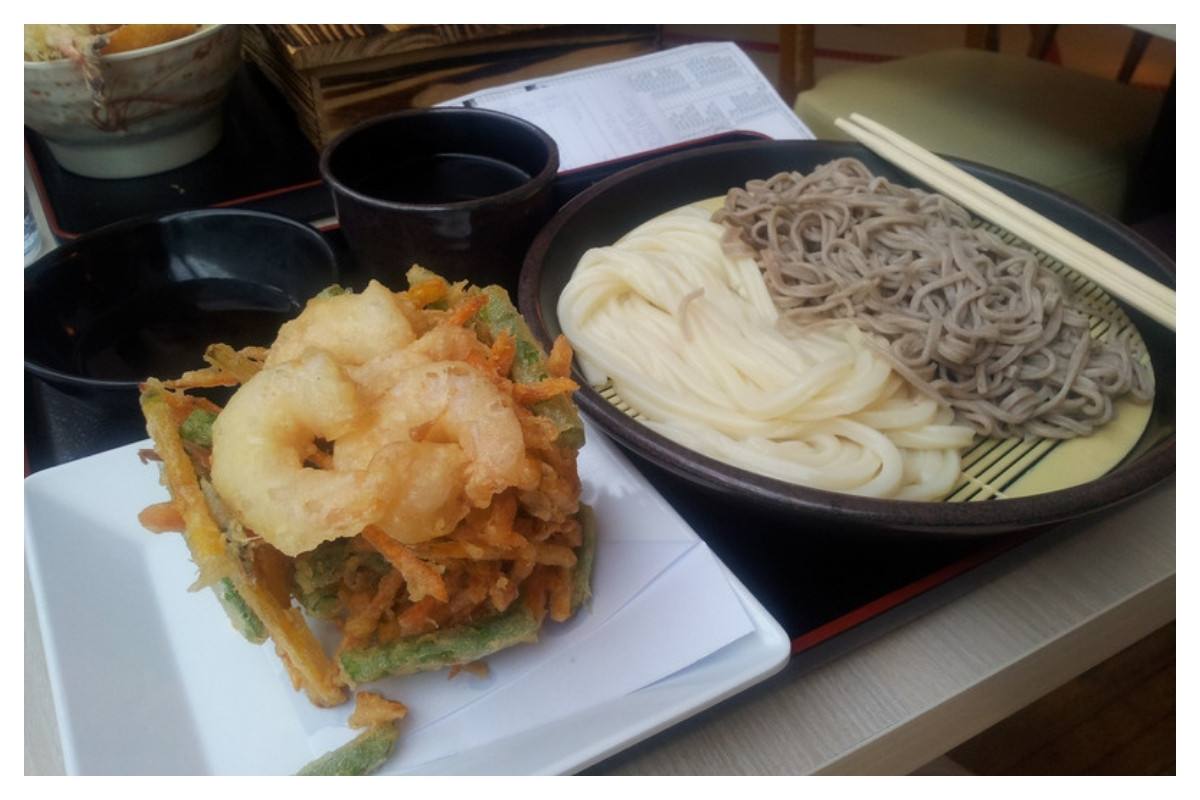
Zaru soba is chilled buckwheat noodles dipped in a cold sauce of soy and bonito fish stock, eaten especially in summer and on New Year's Eve for long life. Udon, a cheap lunch at self-service chains and stations, comes in a soy and fish-stock broth, even kitsune udon with its fried tofu. Ask whether a stock without fish is available.
Okonomiyaki, Cooked at Your Table
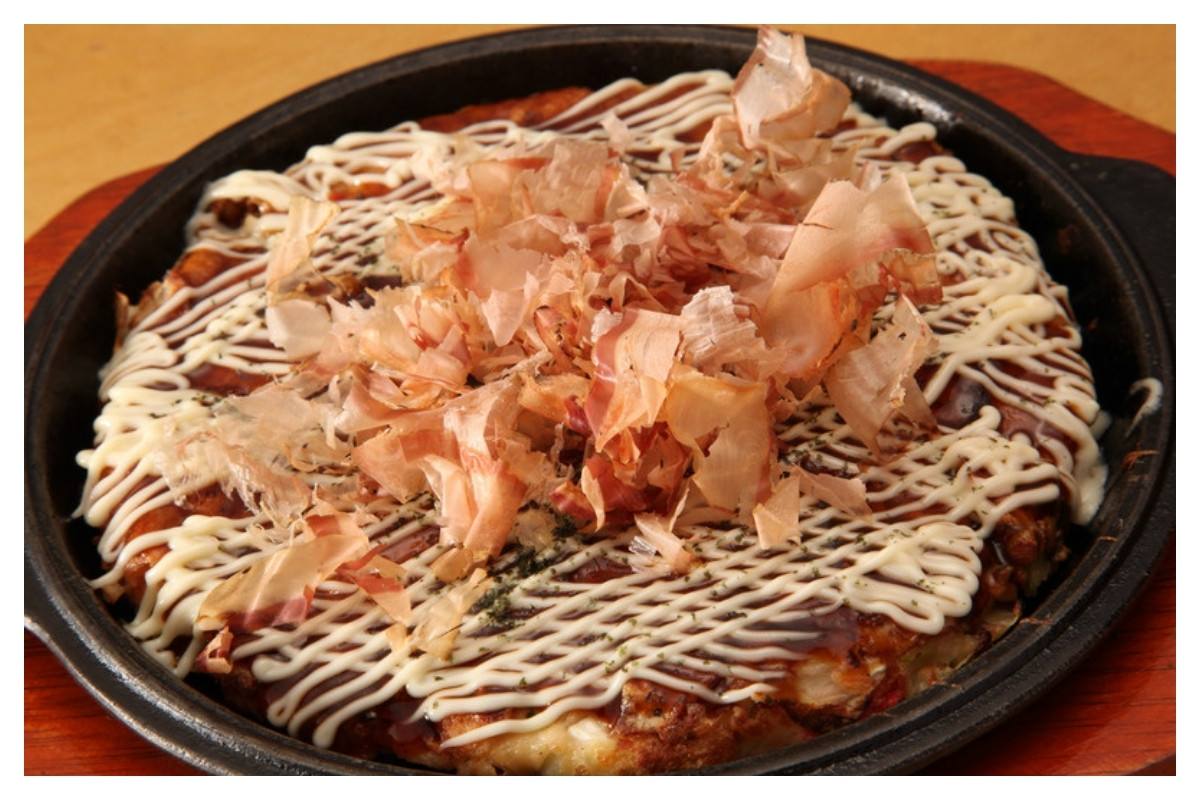
This cabbage pancake usually has fish stock in the batter and bonito flakes on top, often with pork or seafood mixed in. Osaka-style is mixed, and Hiroshima-style is layered with noodles. The flakes go on last, so ask for none, and ask about the batter and fillings.
Japanese Dishes That Usually Don't Fit a Vegetarian Plate
Four of the 10 usually don't fit vegetarian food in Japan:
- Ramen: pork or fish broth, with sliced pork on top.
- Tonkatsu: a breaded, deep-fried pork cutlet.
- Takoyaki: octopus inside, bonito flakes on top.
- Yakitori: chicken skewers grilled over charcoal.
How to Ask for Vegetarian Food in Japan
Say "no fish stock" as well as "no meat or fish", because dashi doesn't look like either. Many ramen shops take orders at a ticket machine by the door, so ask before you pay, not after. For vegetarian food in Japan at a counter or a noodle stand, show your food card before you order, so the cook can read it.
Identifood writes this card in the local language and keeps it on your phone, offline.
Get IdentifoodI can't eat meat or fish, including fish stock, even a little.
Please don't add any, and use a clean pan, clean oil and clean utensils.
Enjoying Vegetarian Food in Japan With the Right Words
Start with mochi and green tea, ask for cucumber or pickle rolls at the sushi counter, and take your tempura with salt. Vegetarian food in Japan comes down to one word, dashi, and asking about it opens up much more of the menu. Vegetarian food in Japan rewards that one question.
Next: see every Japanese dish we cover, or the vegetarian list for each Japanese dish.