 Identifood


Our founder Ashleigh has eaten her way through over 40 countries, and South Korean meals are made for sharing: rice, a main and a spread of side dishes for the table. Vegan food in Korea takes care, because fish turns up where you don't expect it. Kimchi is usually made with fish sauce or salted shrimp, and anchovy stock is a common base for stews and sauces.
A guide can't see the kitchen. This is what these dishes usually contain. Always ask, and carry your medicine.
Vegan Food in Korea: What Comes Closest
None of the 10 South Korean dishes we cover usually fits a vegan plate as served. Four depend on the kitchen, so three of them fill this list, each with a question attached.
Ask for it without beef or egg
2JapchaeTemple versions use no meat or egg
3HotteokAsk about milk in the dough
Vegan Food in Korea Depends on the Kitchen
These four are where one good question, asked before you order, can change the plate.
Bibimbap Without Beef or Egg
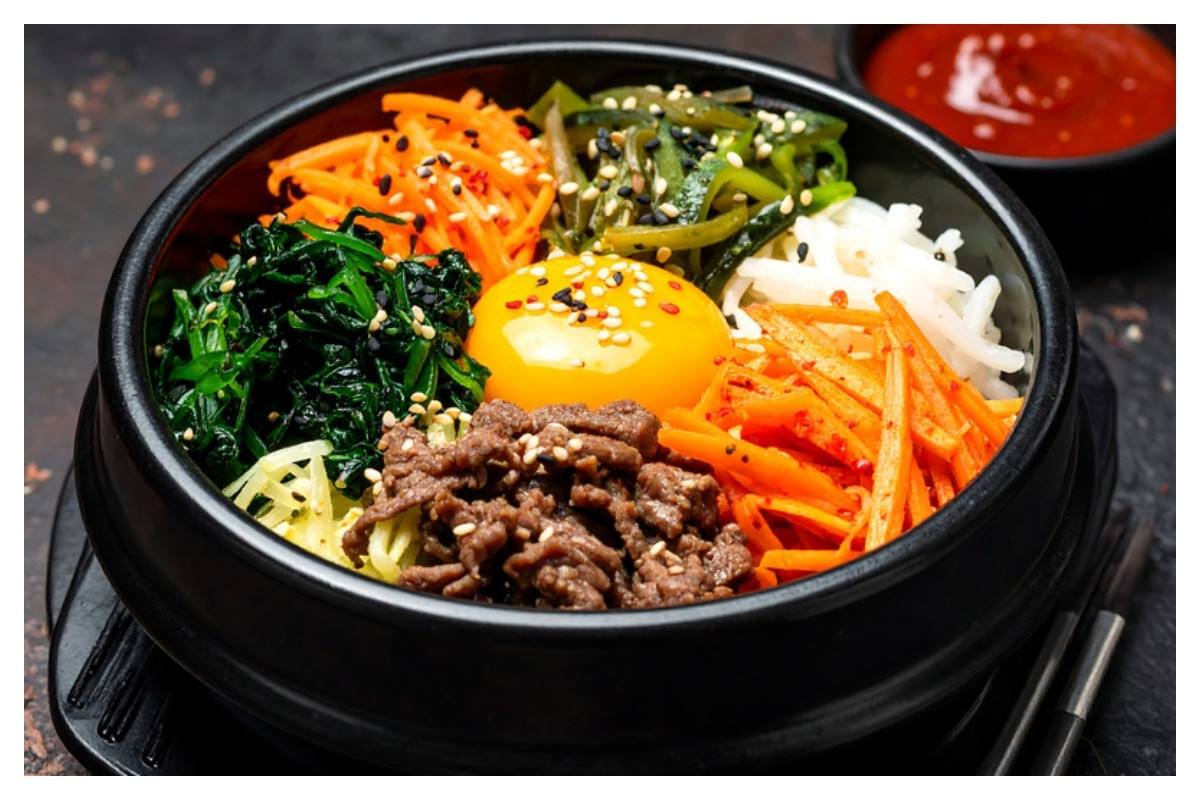
Rice comes topped with seasoned vegetables, beef, a fried egg and red pepper paste, mixed with the long spoon. Each vegetable is blanched or stir-fried and seasoned separately, so ask for it without beef or egg. Dolsot bibimbap comes in a sizzling stone bowl that crisps the rice. Ask about the side dishes too: some namul and kimchi use fish sauce.
Japchae, the Korean Glass Noodle Question
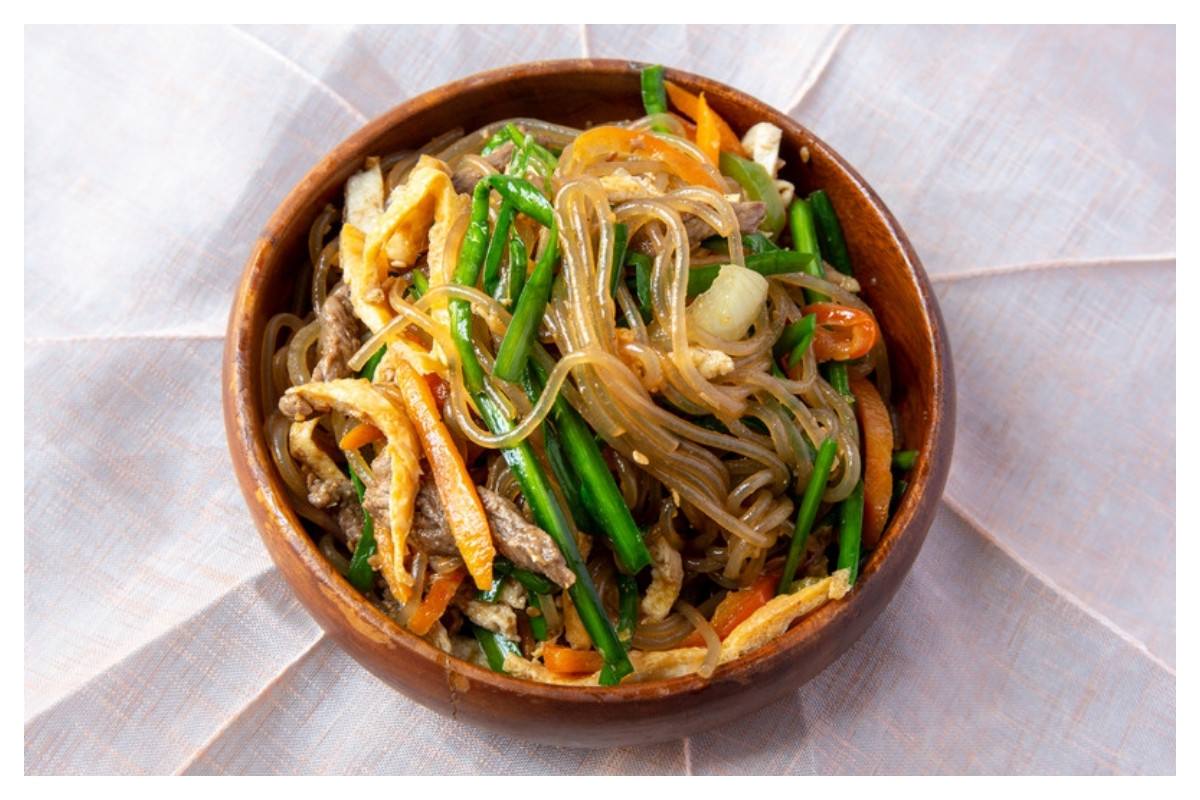
Sweet potato glass noodles are stir-fried with spinach, carrot and mushroom in soy sauce and sesame oil, usually with beef and egg strips. It's a holiday, birthday and buffet favorite, eaten warm or at room temperature. Temple versions use no meat or egg, so ask whether one is available, and whether fish cake goes in.
Kimbap: Even Vegetable Rolls Need a Question
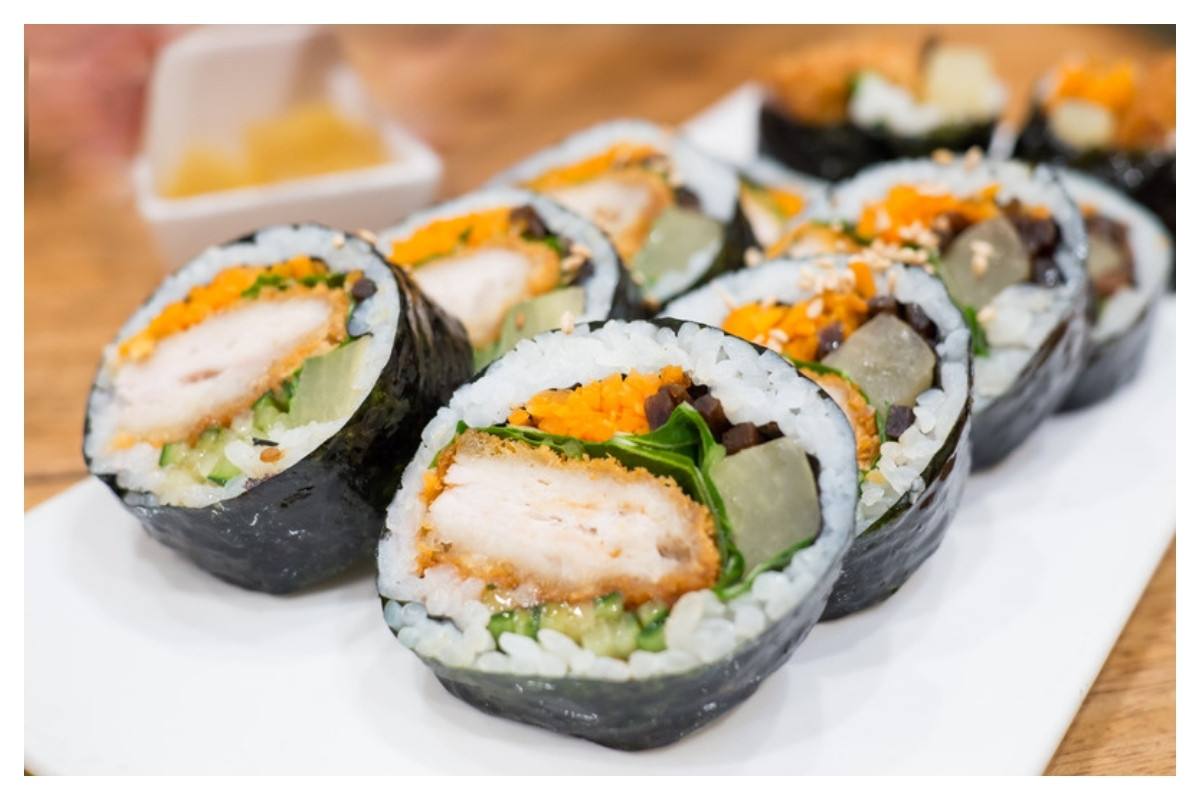
Rice and fillings are rolled in seaweed and sliced, a picnic and road-trip staple. Common fillings include egg, ham and fish cake, and vegetable versions may still have an egg strip. Fillings change shop to shop, so ask what's inside.
Hotteok, a Korean Winter Snack

A yeasted wheat dough is filled with brown sugar, cinnamon and chopped nuts or seeds, then fried on a greased griddle until the filling melts into syrup. It's a winter street snack, especially in markets. Some recipes add milk to the dough, so ask. Quick tip: bite carefully; the syrup is scalding.
Korean Favorites That Usually Don't Fit a Vegan Plate
Six of the 10 usually don't fit vegan food in Korea, mostly because of meat, fish or both:
- Kimchi jjigae: pork and seafood; even vegetable-looking versions usually carry seafood from the kimchi.
- Samgyeopsal: pork belly grilled at the table.
- Bulgogi: beef marinated in soy sauce, pear and garlic.
- Tteokbokki: fish cakes in the sauce, which is simmered in anchovy stock.
- Korean fried chicken: chicken, fried twice.
- Naengmyeon: chilled beef broth and a boiled egg.
How to Ask for Vegan Food in Korea
Side dishes arrive for the whole table, so ask about them as well as your main. Name the hidden ones: fish sauce, salted shrimp, anchovy stock, egg and milk. A plain "no meat" won't cover them, because none of them looks like meat. When you're looking for vegan food in Korea at a busy counter, show your food card before you order, so the cook can read it.
Identifood writes this card in the local language and keeps it on your phone, offline.
Get IdentifoodI can't eat meat, fish, eggs or dairy, including fish sauce, even a little.
Please don't add any, and use a clean pan, clean oil and clean utensils.
Planning Vegan Food in Korea, Meal by Meal
Start with bibimbap without beef or egg, ask about temple-style japchae, and check every side dish for fish sauce. Vegan food in Korea asks for more questions than most places, but rice, vegetables and noodles are always on the table, and vegan food in Korea gets easier with each meal.
Next: see every South Korean dish we cover, or the vegan list for each Korean dish.