 Identifood

Our founder Ashleigh has eaten her way through over 40 countries, and her nut allergy means she reads every menu twice. She doesn't eat halal herself, but the habit is the one halal food in Japan asks for: know what a dish usually holds, then ask. Pork is the obvious question. Mirin, a sweet rice wine, is the quiet one, and it turns up in sauces, glazes and dipping broths across the menu.
A guide can't see the kitchen. This is what these dishes usually contain. Always ask, and carry your medicine.
Halal Food in Japan: Dishes That Can Fit
The honest count first: none of the ten dishes we cover usually fits a halal diet without a question. Eight can fit, depending on the kitchen, and two usually don't. So halal food in Japan is about asking well. These three are a good start.
Fish and seafood fit; ask about mirin
2Zaru sobaNo meat; mirin is usual in the dip
3TakoyakiOctopus fits; ask about the sauce
Halal Food in Japan That Depends on the Kitchen
A menu can't tell you how meat was slaughtered, so every meat dish is an ask. With seafood and noodles, the question is mostly mirin and pork.
Sushi: Seafood Fits, Ask About Mirin
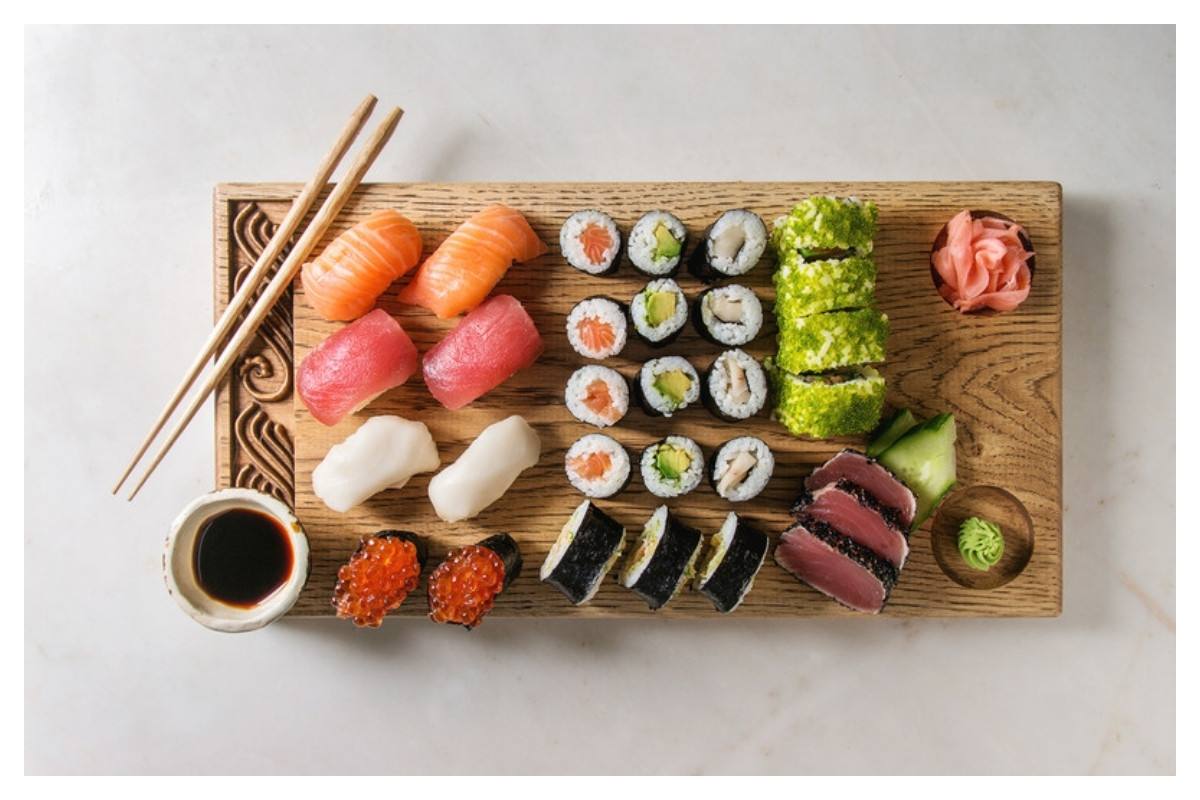
Sushi is vinegared rice topped or rolled with raw or cooked fish, seafood, egg or vegetables. The fish and seafood fit, and rice vinegar is not alcoholic, but mirin may be used, so ask.
Zaru Soba and Udon: Noodles Without Meat
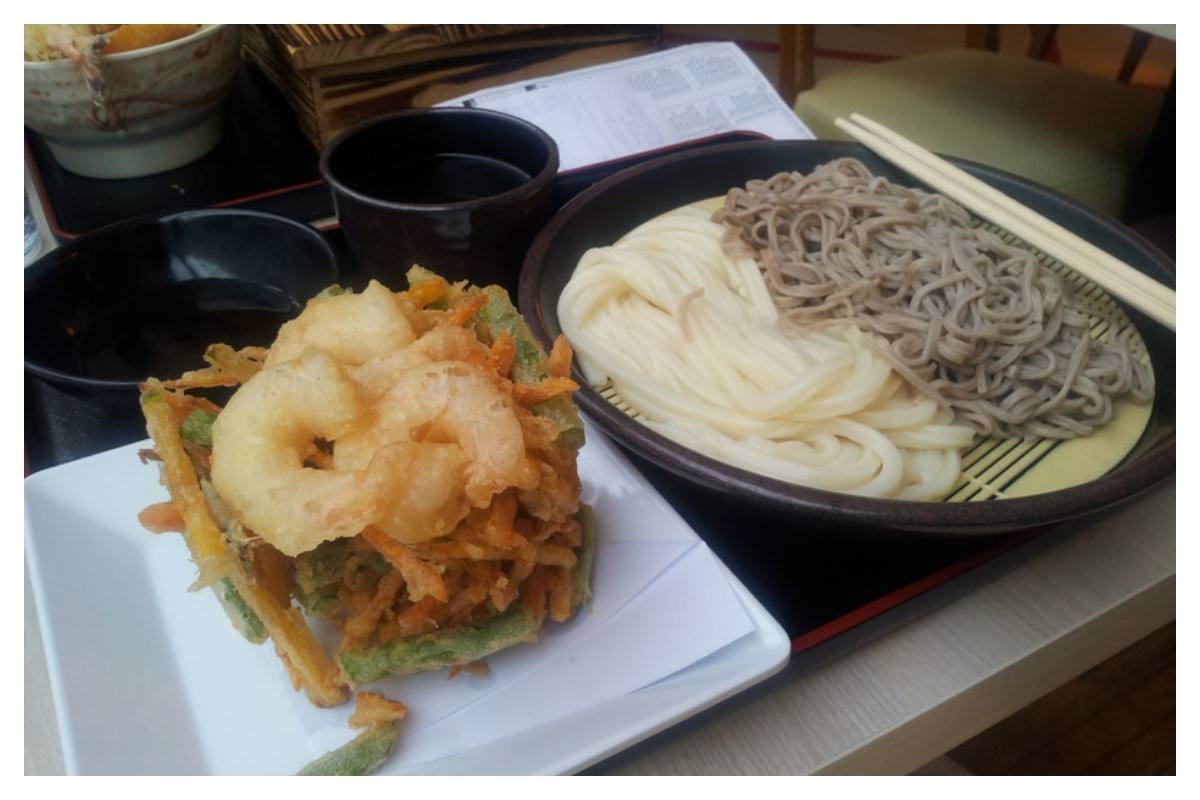
Zaru soba is chilled buckwheat noodles dipped in a cold soy and fish-stock sauce; there's no meat, but mirin is usual. Plain udon, thick wheat noodles in a light soy and fish-stock broth, also has no meat, and mirin is common there too.
Tempura and Takoyaki: Ask About the Sauce
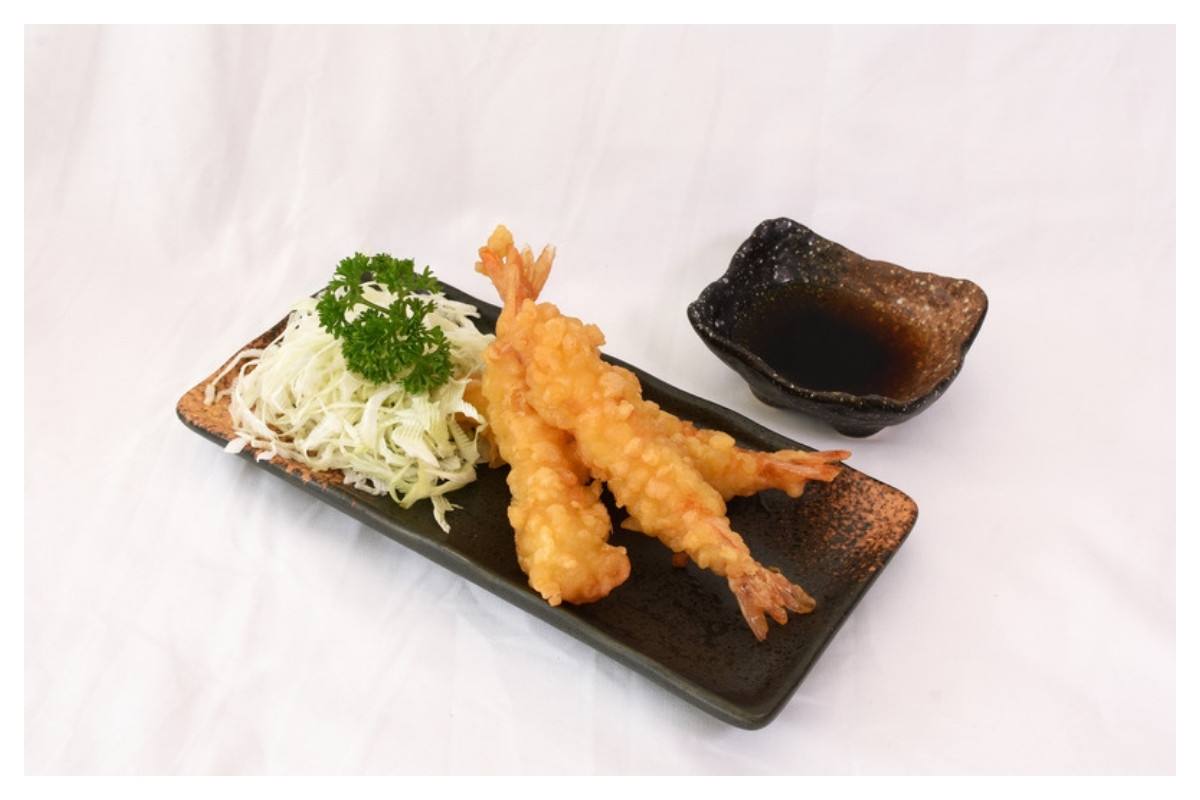
Tempura is shrimp, fish and vegetables in a thin, crisp batter with a dipping sauce. The seafood fits; ask about mirin in the sauce. Takoyaki are batter balls with octopus inside, topped with sauce, mayonnaise and bonito flakes. The octopus fits, so the sauce is the question.
Okonomiyaki: Pork Is the Usual Filling
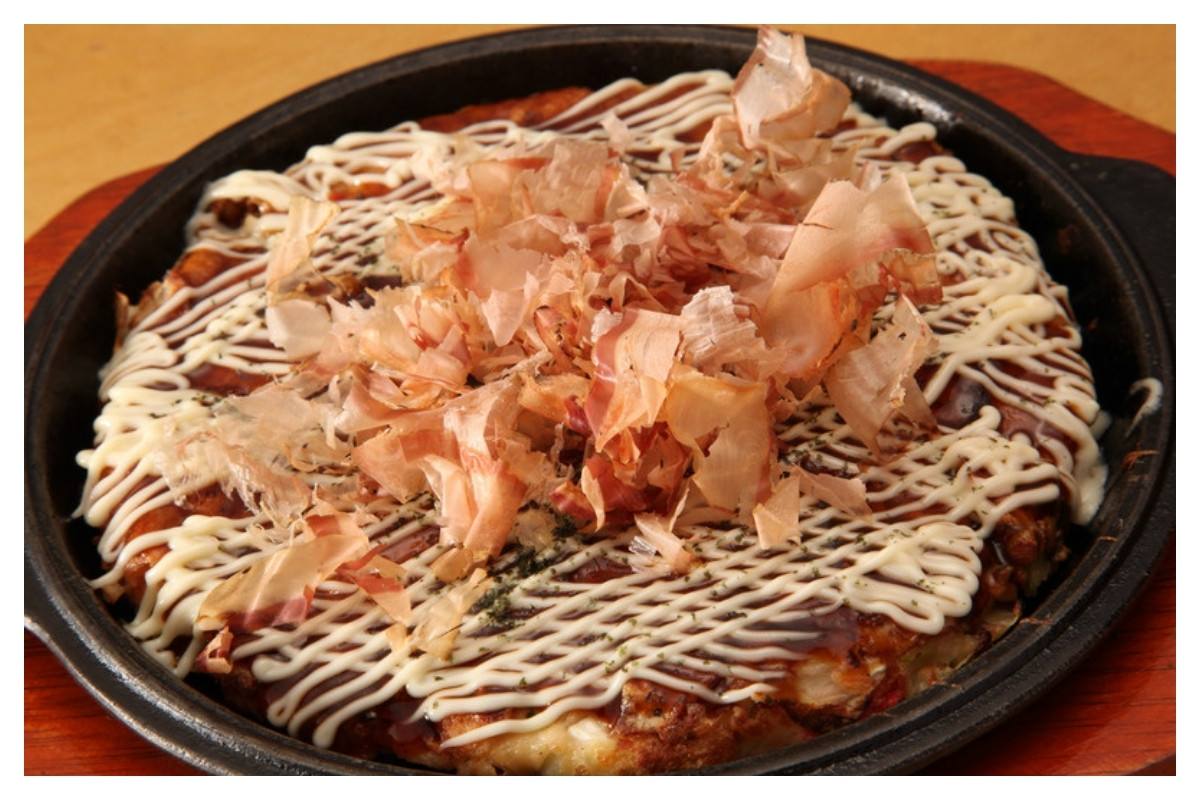
Okonomiyaki is a griddled pancake of cabbage and batter with pork or seafood, cooked on a hot iron plate. Pork is the most common filling, and one griddle cooks every order, so ask for seafood and ask about the plate.
Yakitori: The Chicken Question
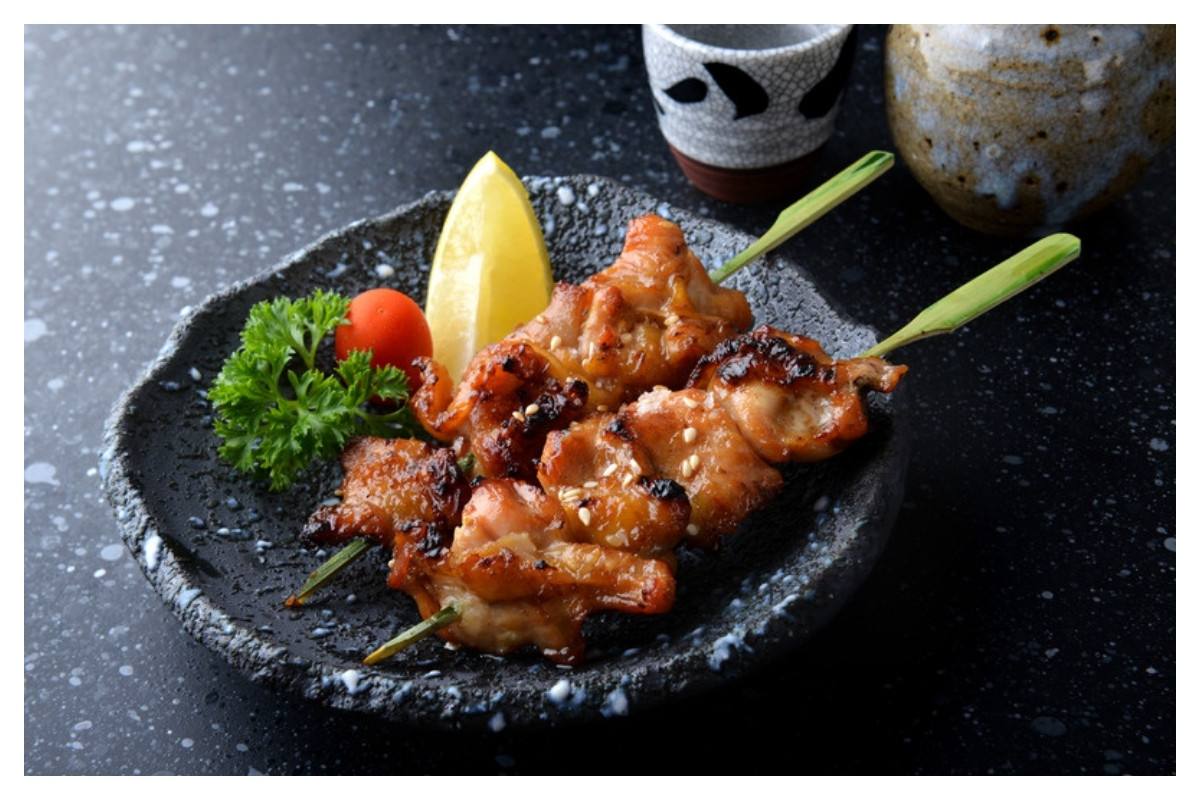
Yakitori is bite-size chicken grilled on skewers. The chicken isn't usually halal-slaughtered, and the tare glaze can contain mirin, which has alcohol. Pork and seafood skewers often share the grill.
Mochi: A Halal Food in Japan Sweet
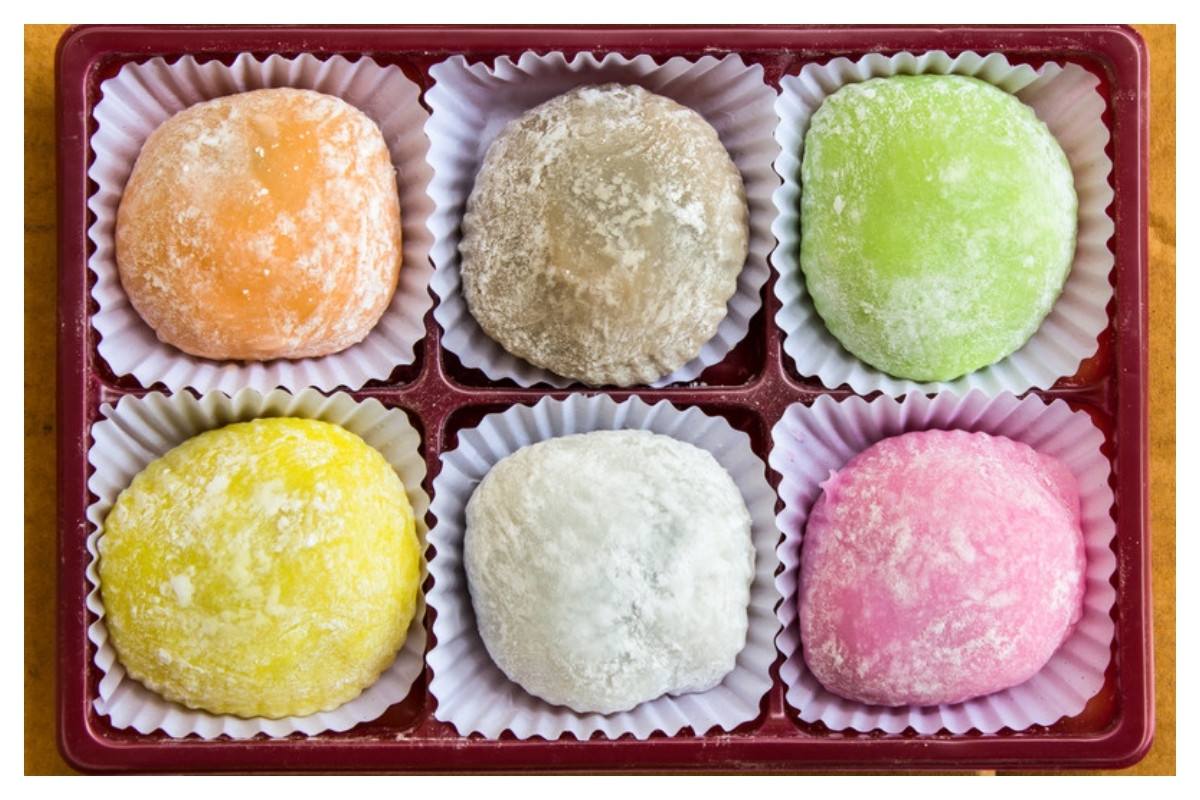
Mochi is a chewy cake of pounded glutinous rice, often filled with sweet red bean paste. Plain kinds have no meat; check for gelatin in modern versions.
What Usually Doesn't Fit Halal Food in Japan
- Ramen: pork broth and pork chashu. If you want ramen, look for halal-certified shops.
- Tonkatsu: a thick pork cutlet in panko, deep-fried.
Pork can also travel. Tonkatsu fries in oil shared with shrimp and oysters, and katsu curry and katsu-don carry the same cutlet.
How to Ask for Halal Food in Japan
Ask about two things every time: pork, and mirin or other alcohol in the sauce. Ask before you order, at counters and stalls alike, and show the card so the cook can read it calmly.
Identifood writes this card in the local language and keeps it on your phone, offline.
Get IdentifoodI can't eat pork or alcohol, even a little.
Please don't add any, and use a clean pan, clean oil and clean utensils.
Quick tip: with yakitori, ask for "shio" (salt) instead of "tare" (sauce), which skips the glaze, though the chicken itself is still a question.
Halal Food in Japan, One Question at a Time
Start with sushi, soba and tempura, ask about mirin every time, and save room for mochi. Halal food in Japan takes a few careful questions, and the seafood and noodle counters reward them.
Next: browse every Japanese dish we cover, or see how each one fits a halal diet.