 Identifood

Our founder Ashleigh has a nut allergy and has eaten her way through over 40 countries, and the hardest meals are often the ones that look simple. Rice, vegetables and grilled meat seem easy, yet going gluten free in Korea means watching the sauces: gochujang chili paste, soybean pastes and soy sauce often bring wheat into dishes with no noodle in sight.
A guide can't see the kitchen. This is what these dishes usually contain. Always ask, and carry your medicine.
Gluten Free Korea: Three Dishes That Carry Wheat
We looked at the ten dishes travelers order most in South Korea. In these three, gluten arrives through the seasoning or the rice cake. Start here if you're eating gluten free in Korea.
In the gochujang on top
2BulgogiIn the soy sauce marinade
3TteokbokkiIn fish cakes, and some rice cakes
Bibimbap: Gluten in the Spoonful of Chili Paste
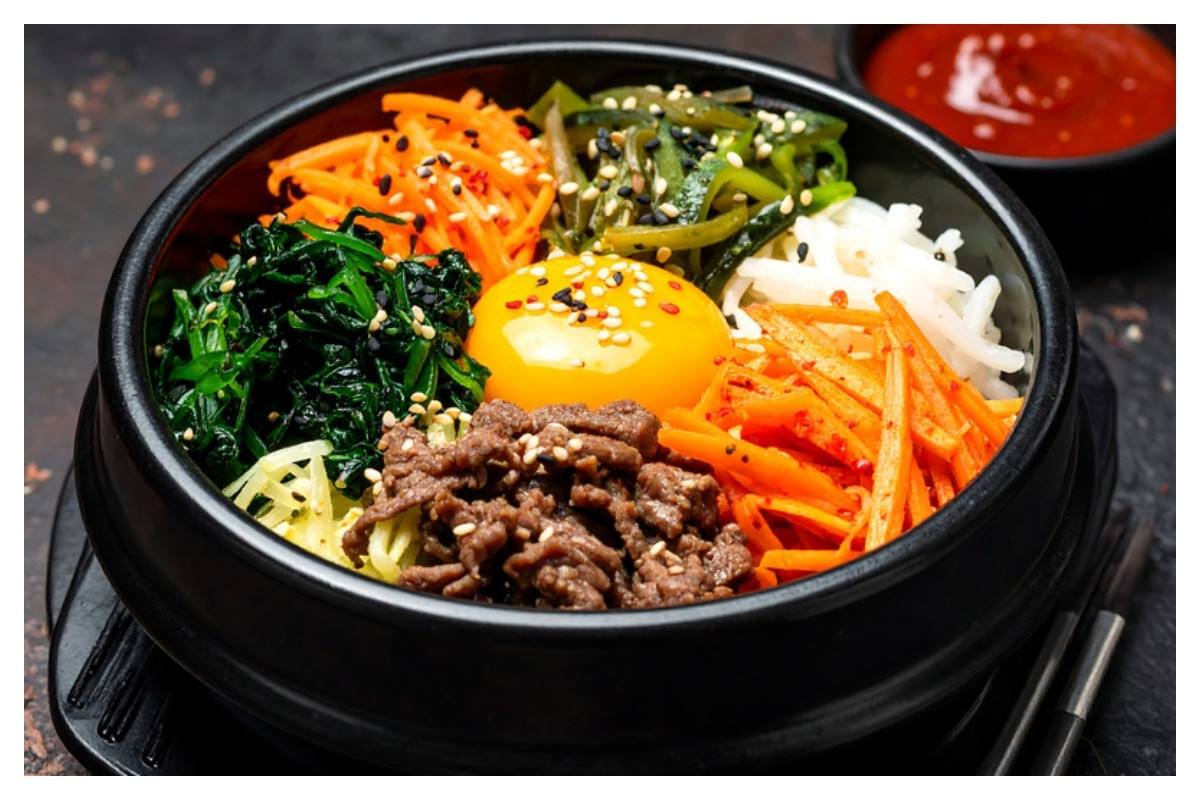
Bibimbap is a bowl of rice topped with seasoned vegetables, beef, a fried egg and spicy red pepper paste, mixed together before eating. That paste, gochujang, is made with soybeans and often wheat or barley, and the beef and vegetables are seasoned with soy sauce. More in what's in bibimbap.
Bulgogi: A Soy Marinade With Wheat in It
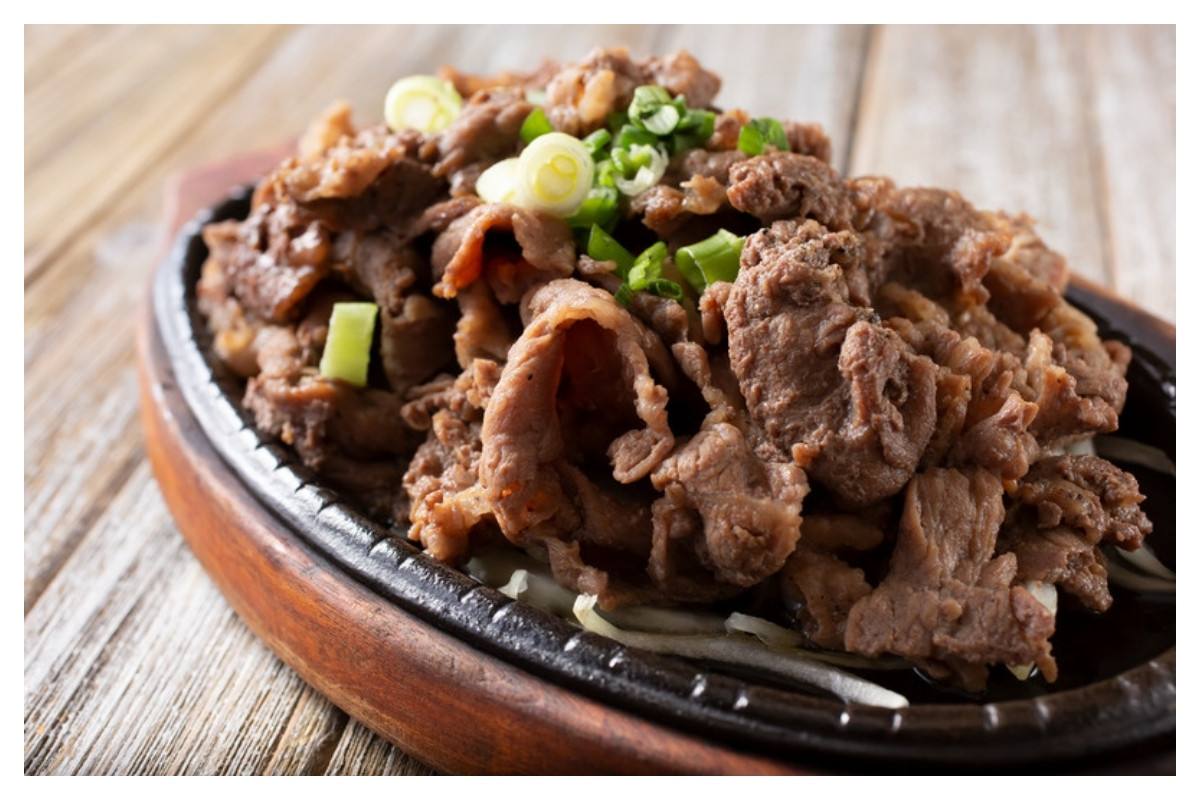
Bulgogi is thin beef marinated for hours in soy sauce, sugar, pear, garlic and sesame oil, then grilled or pan-cooked with onions. Most soy sauce contains wheat, and the marinade is soy-based, so wheat is likely. The meat soaks in it, so it can't be adjusted.
Tteokbokki: Rice Cakes That Aren't Always Rice
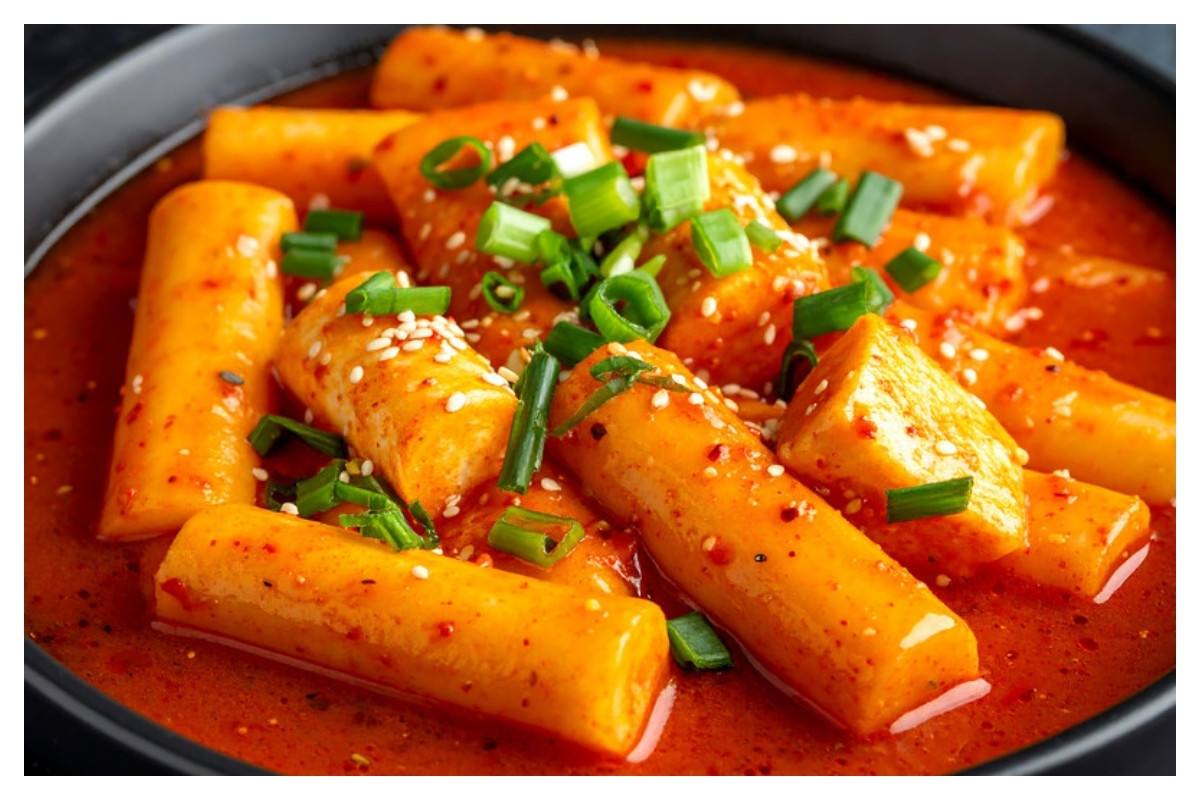
Tteokbokki is chewy cylinders of rice cake simmered in a sweet, spicy red sauce with fish cakes and green onion. Fish cakes are processed fish with wheat flour, and some rice cakes are made with wheat. Rabokki, a popular version, adds wheat ramen noodles on top.
How to Order Gluten Free in Korea
One word does a lot of work. Rice cakes made from rice are “ssalttok”; wheat ones are “milttok”. Ask which kind a tteokbokki stall uses. For bulgogi and japchae the answer is in the sauce, since glass noodles are starch but the soy sauce usually brings wheat.
Quick tip: at bibimbap, ask for the gochujang on the side, then ask about the soy seasoning too. Gluten free in Korea is rarely solved by removing one topping.
Identifood writes this card in the local language and keeps it on your phone, offline.
Get IdentifoodI can't eat gluten (wheat, barley or rye), even a little.
Please don't add any, and use a clean pan, clean oil and clean utensils.
Gluten Free Korea: Dishes to Ask About
None of the ten dishes we cover list gluten as not usual. Kimchi jjigae, samgyeopsal, japchae and kimbap come closest: gluten isn't on their commonly-contains list, but each has an ask-about. Gochujang is sometimes stirred into kimchi jjigae, ssamjang paste for samgyeopsal often contains wheat, and most fish cake in kimbap has wheat, and fillings vary shop to shop. See every Korean dish and allergy.
Street Stalls and Barbecue, Gluten Free in Korea
Tteokbokki is an afternoon snack and late-night street food, eaten from a paper cup with fried snacks dipped in the sauce. In winter, market stalls sell hotteok, a chewy pancake of wheat dough filled with brown sugar. Stalls cook fast in shared pans and shared oil, and both can carry gluten from one order to the next.
Barbecue is slower. At samgyeopsal, staff often grill the pork at your table, which is a good moment to ask about the paste.
Quick tip: if a stall is too busy for questions, choose another stall. Gluten free in Korea goes better when someone has a moment to listen.
A Simple Plan for Gluten Free Korea
Pack your medicine and keep your card on your phone. Remember the three seasonings, gochujang, ssamjang and soy sauce, and the two rice cake words, “ssalttok” and “milttok”. Ask at every table, and the meals in South Korea get easier quickly.
Planning more? See every Korean dish we cover, or gluten in dishes from other countries.