 Identifood



Many of the Brazilian dishes we cover are built on cassava, rice, beans and grilled meat, so eating gluten free in Brazil can feel easier than you'd expect. Then a snack bar hands you something fried in wheat dough. Our founder Ashleigh has a nut allergy and has eaten her way through over 40 countries, and she'd tell you the same thing about any menu: assume nothing. This guide sorts the Brazilian dishes that usually carry gluten from the ones that usually don't.
A guide can't see the kitchen. This is what these dishes usually contain. Always ask, and carry your medicine.
Gluten Free in Brazil: The Three to Watch
Four of the ten Brazilian dishes we cover commonly contain gluten. Two are fried snacks you'll see everywhere, and one is a breakfast bowl that surprises people.
Coxinha: Gluten Inside and Out
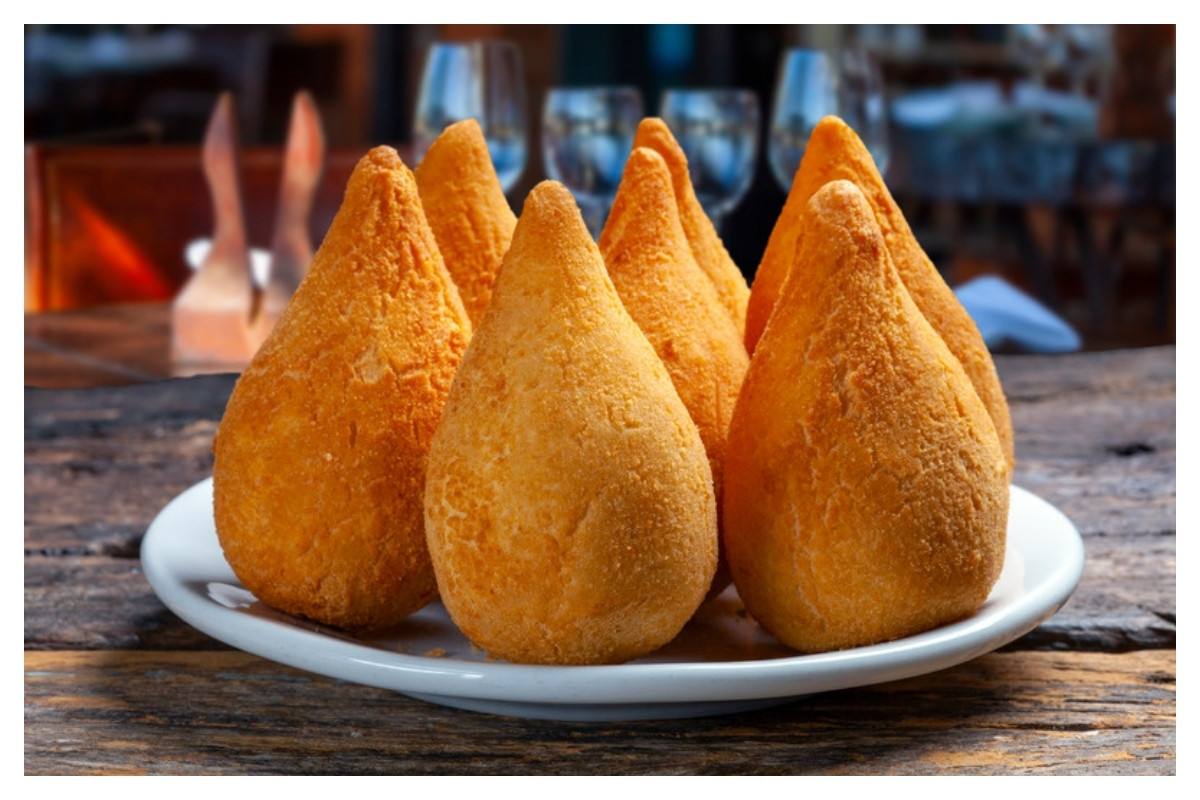
This teardrop-shaped snack wraps shredded chicken, often with creamy requeijão cheese, in a dough made with wheat flour and broth. It's then egg-washed, rolled in breadcrumbs and deep-fried. Shrimp and fish snacks often fry in the same oil. Whatever the filling, the shell is wheat.
Pastel: Gluten Free in Brazil Means Skipping This One
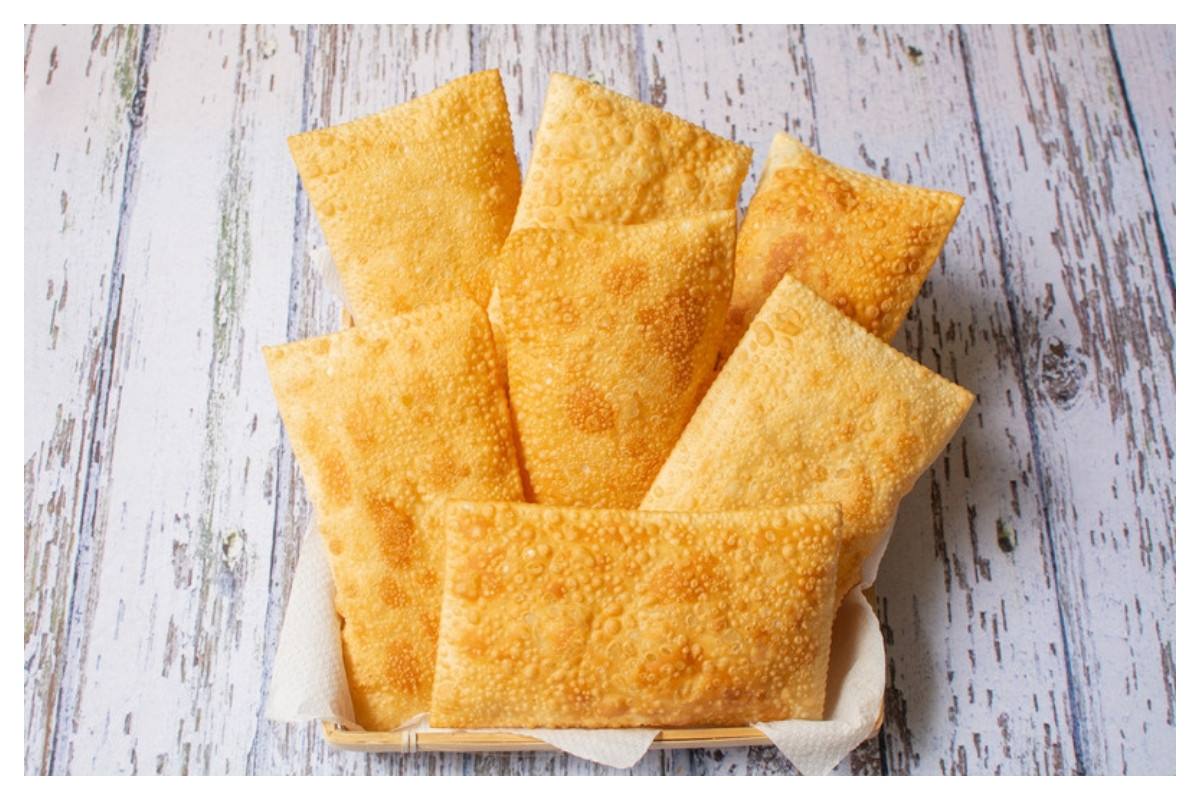
Thin rectangles of wheat dough are stuffed with ground beef, cheese, chicken, heart of palm or shrimp, sealed and fried to order. The pastry is the whole point, so there's nothing to remove. It's the classic street-market breakfast, eaten by hand with sugarcane juice.
Açaí Bowl: The Granola Question
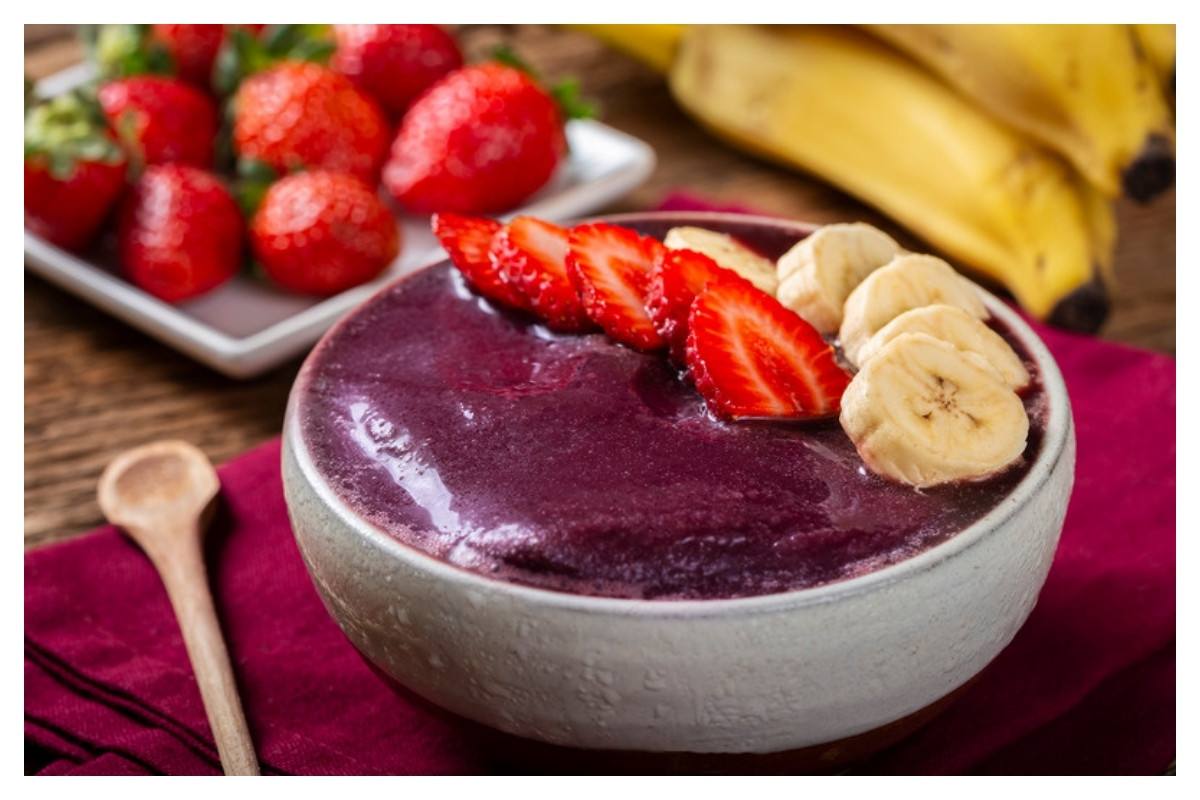
Frozen açaí pulp is blended thick, often with banana or guaraná syrup, and topped to order. The granola contains oats and wheat. Quick tip: choose your toppings yourself, since several are often added by default.
Asking for Gluten Free in Brazil
One added ingredient can change a dish. Someone with celiac disease reacts to small amounts, so the questions need to be specific.
Pão de queijo is the best example. These chewy cheese bread balls are traditionally made with cassava starch, egg, milk and cheese, yet some bakeries and mixes add wheat flour. Ask before you buy. With feijoada, the black bean and pork stew, ask about the sausages, because some contain wheat fillers. At a churrascaria, some marinades use soy sauce, which usually contains wheat.
Identifood writes this card in the local language and keeps it on your phone, offline.
Get IdentifoodI can't eat gluten (wheat, barley or rye), even a little.
Please don't add any, and use a clean pan, clean oil and clean utensils.
Gluten Free Brazil Favorites, Still Worth Asking About
Moqueca, brigadeiro and the caipirinha don't usually contain gluten. Moqueca is a Bahian stew of fish or shrimp in coconut milk, red palm oil, tomatoes and peppers, served from a clay pot with rice. Brigadeiro is a small fudge ball of condensed milk, cocoa and butter rolled in chocolate sprinkles, a birthday-party staple. The caipirinha is cachaça, lime and sugar over crushed ice. Ask anyway; recipes and kitchens differ.
Snack Bars, Street Markets and Gluten Free Brazil Lunches
Coxinha belongs to a family of fried snacks called salgadinhos, alongside pastel, kibe and esfiha at bar counters and parties. Pastel de feira is sold at open-air markets in the morning. Feijoada is a long, slow Wednesday or Saturday lunch, served with rice, kale, orange slices and farofa, toasted cassava flour often fried in butter. At a churrascaria, waiters carve skewers at the table and you flip a card to green for more or red to stop.
Quick tip: bakeries sell cheese bread all day, and recipes differ, so eating gluten free in Brazil means asking at every new bakery.
Gluten Free in Brazil, One Question at a Time
Know the three dishes above, ask about wheat in cheese bread and sausages, carry your medicine and keep your card on your phone. Traveling gluten free in Brazil still leaves you moqueca by the coast, a churrasco feast and a brigadeiro at the end.
Keep reading: every Brazilian dish we cover, plus gluten in other countries' dishes.